 EU
EU  CZ
CZ  SK
SK  PL
PL  BG
BG  DE
DE  UK
UK  EN
EN  FR
FR  HU
HU  IT
IT  RO
RO  SL
SL  ES
ES  AT
AT 
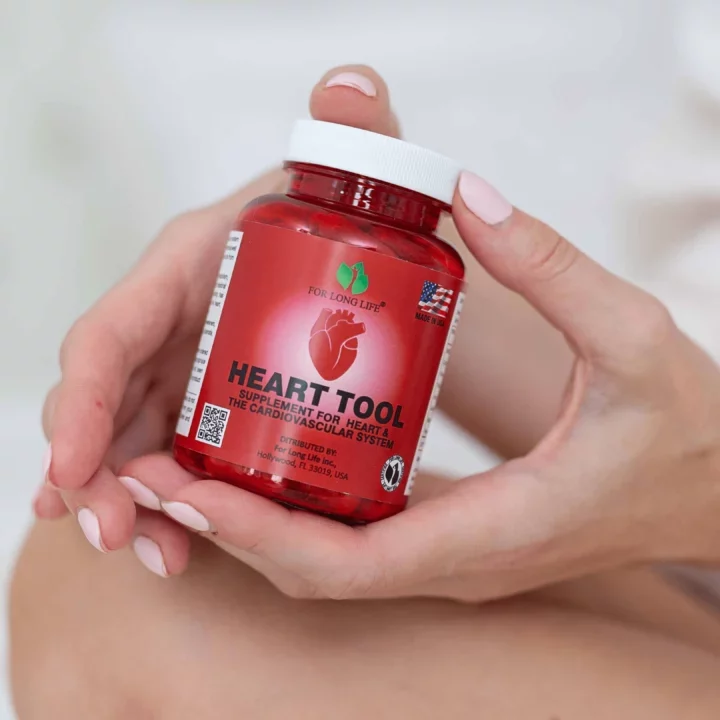
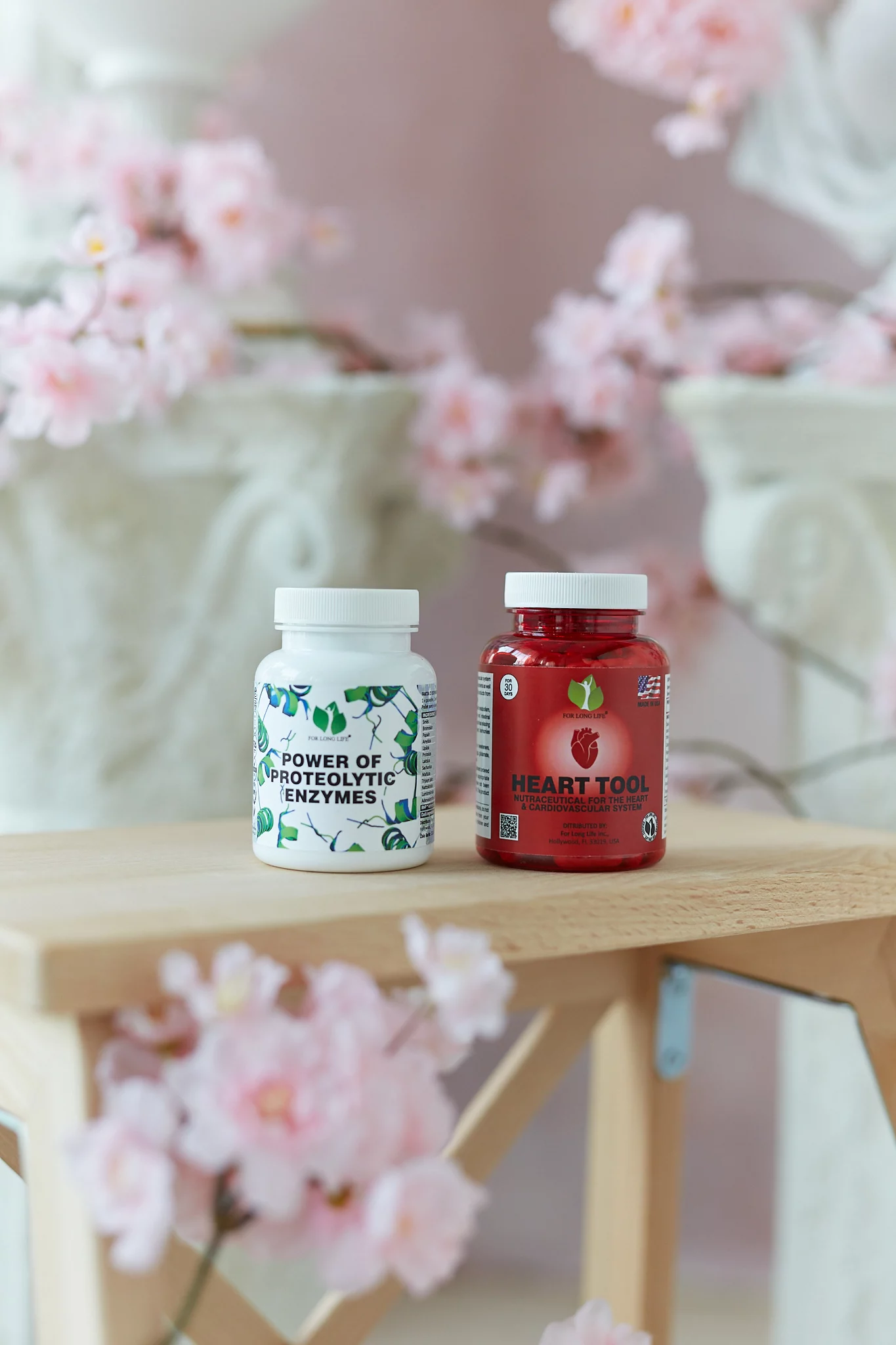
HEARTTOOL is a targeted combination of natural substances designed for people who want to keep their heart and blood vessel health under control in the long term, even with a faster pace of life. It supports the normal functioning of the cardiovascular system and helps the body cope with physical and mental stress without unnecessary fluctuations. It is ideal as part of long-term and preventive care - where endurance, balance and inner security count. A healthy heart and cardiovascular system are key to the functioning of the whole body.
HEARTTOOL is a supplement for supporting heart health naturally. It helps to support the stabilization of blood pressure, blood vessels and cholesterol. 120 capsules for 30 days, 100% vegan.
A thoughtful force of nature for those moments when you don't want to let up.
1 290.00 CZK
In stock
Delivery time: Czech Republic + Slovakia 1 to 2 days, EU + UK 2 to 3 days
Do you have a question about the product? Call +420 777 801 550.
Over time, changes may occur in the body that affect the natural functioning of the circulatory system and the transport of substances in the body. These processes may be related to the deposition of various substances in the vascular bedIt is the overall adaptation of the organism to long-term stress.
The attention of experts is therefore dedicates also the quality of the organism's internal environment and the body's ability to effectively distribute nutrients and oxygen through the blood to individual tissues. If these natural mechanisms do not function optimally, This can have a long-term impact on the overall vitality and balance of the organism. incl. lack of nutrition comprehensively for the entire organism and to conditions as long-term consequences of modern lifestyles (so-called. civilizational).
A quick test will help you find out how you are doing. Instructions can be found at the end of the page in the chapter WAIST-TO-HIP RATIO (WHR) AS A POSSIBLE INDICATOR THAT CAN AFFECT HEALTH.
Thick or "thick" blood is a condition where the blood has a higher viscosity (slight thickness) and can become slower than normal blood flow. This can have several negative effects on the body, including difficulty oxygenating tissues.
Here are some of the potential problems associated with thick blood and body oxygenation:
The causes of thick blood can be varied, including insufficient fluid intake, dehydration, elevated blood fat levels (hyperlipidemia), certain medications, genetic factors, and others..
Here are some factors that can harm the heart, as well as tips on how to support cardiovascular circulation:
Factors harmful to the heart:
Prevention and possible recommendations:
Following these healthy lifestyle principles can significantly reduce the risk of heart disease and help maintain a healthy heart and entire cardiovascular circulation.
While we cannot influence some factors, such as heredity, we can. The basis may be a healthier lifestyle (not a diet, but a dietary adjustment that helps maintain cholesterol and blood pressure levels within recommended values). Thanks to this, many risk factors may not affect us, but we can also partially influence, for example, the hereditary predisposition. I therefore recommend maintaining healthy body weight (there are a number of simple recommendations that you can include in your diet), watch your blood pressure, to move and follow drinking regimenIf you are planning a longer trip, you can buy compression knee socks and every two hours a little stretch.
WHICH FOODS CAN SUPPORT A HEALTHY HEART AND VESSELS:
If we want to benefit our blood vessels and heart, we should avoid consuming animal fats, especially sausages, fatty meats, fatty dairy products and delicate pastries. So in the kitchen I recommend using high-quality vegetable oil, you can go for olive, rice or rapeseed. I also recommend reading labels and ingredients when buying food. Butter is not forbidden, I eat it myself and try to buy good quality. And you can alternate it with high-quality vegetable fats. I recommend eating enough vegetables, such as carrots or chard and fruit, such as oranges, cherries and blueberries. Also suitable are fresh herbs, especially rosemary, thyme, oregano and sage. Let's not forget about black beans, tofu, nuts, almond, flax-seed, oats. It is also important fish consumption, especially salmon and tuna, for content omega-3 fatty acids acids.
WAIST-HIP RATIO (WHR) AS A POSSIBLE INDICATOR THAT CAN INFLUENCE HEALTH AND DISEASE RISK:
It is best considered alongside other indicators such as weight, height, body mass index (BMI) and overall lifestyle. Changes in WHR can also be an important indicator when monitoring progress in modifying body composition through exercise and diet.
Waist-to-hip ratio, abbreviated WHR (from English waist-hip ratio) shows the distribution of fat in your body and is used for measurement and indication of health status and possible risks development of serious health complications. It is calculated simply. Using tailor's meter measure yourself waist circumference at the thinnest point of the abdomen (or 1 inch above the belly button) and hip circumference at their widest point. Subsequently, according to simple formula calculate your WHR: waist circumference (in cm) / hip circumference (in cm). So, for example, if you have a waist circumference of 72 cm and a hip circumference of 90 cm, your WHR is 0.8 (72 : 90 = 0.8).
When should we be careful?
| Woman | Man | |
| Normal WHR | < 0.80 | < 0.90 |
| Risky WHR | 0.80–0.84 | 0.90–0.99 |
| Very risky WHR | > 0.85 | > 1.00 |
Recommended daily dose: 4 capsules per day (2 in the morning, 2 in the evening before meals). Packaging: 120 vegan capsules for 30 days
Double extracts of medicinal mushrooms containing Betaglucans 1,3 and 1,6, grifolinic acid, triterpenes, Crataegus (hawthorn), Filipendula ulmaria (elm meadowsweet), Trifolium pratense (red clover), Auricularia polytricha (Judas' ear), Allium fera (wild garlic), Rosa canina (dog rose), Piperis nigrum (black pepper)
HEARTTOOL does not contain artificial flavors or sweeteners, preservatives, sugar, starch, milk, lactose, soy, eggs, glutamate, wheat, yeast, magnesium stearate and is NOT GENETIC MODIFIED.
Store in a dry place at room temperature. Protect from frost. Do not expose to direct sunlight. Store out of reach of children.
It is not a medicine and does not replace a varied diet. If you are pregnant, breastfeeding or taking medication, consult your doctor before use. Do not use if you have a known hypersensitivity to any of the ingredients of the product.
| Weight | 0.105 kg |
|---|---|
| Recommended dosage | 4 capsules daily (2 in the morning, 2 in the evening before meals) |
| Composition | Antioxidants to support the vascular wall, Chemical-free, lactose-free, casein-free, gluten-free, GMO-free, garlic extract, hawthorn, coenzyme Q10, Omega-3 fatty acids, B vitamins |
| Amount | 120 capsules |
You must be logged in to post a review.
The principle of health and longevity is a fully immunologically prepared organism that continuously processes a normal immune load. The number of pathogens, toxins and free oxygen radicals plays a role here, i.e. not only what we eat, but also stress and many other factors.
Research on healthy individuals (without civilization diseases) and individuals (with civilization diseases) in old age clearly demonstrates a direct connection with natural immunity, which remains preserved even in older people.Thanks to genetically natural substances that are known to the human genome and whose information is already routinely contained in the genome of the human organism's genetic memory, our body has no problem processing this information without possible side effects or even mutations of its own genome.
With this in mind, we create special natural mushroom farms where the necessary mushrooms are grown on our trees, from our cultivated mycelia, under very clean environmental conditions.
The optimal combination of natural herbs and mushrooms produced by our unique technology ensures perfect connection and mutual harmonization of individual ingredients. At the same time, selected herbs and mushrooms interact synergistically and multiply the natural effect of individual ingredients. Our mixtures in capsules are therefore 100% natural, therefore much more effective than ordinary extracts or just separate ingredients.You can read more about epigenetic products HERE.
Our products received an award from Global Health & Pharma Best Vegan Epigenetic Nutraceutical Manufacturers of 2021.
Linie4life - Your life path - everything for weight loss, health and slowing down aging.EU legislation does not allow us to provide detailed information about the effectiveness of herbs and herbal products. The fact is that people have been using them for millennia, seeking help from nature. We must comply with this EU regulation, as it is not a pharmaceutical registered medicine. Thank you for your understanding. For this reason, I recommend reading articles on the Internet, printed publications for more information. I will be happy to help you answer your questions at: info@linie4life.com.
Paul F. (verified owner) –
Great product, it works.